Happy Christmas/Hanukkah/solstice and Merry New Year to all our readers. May your 2012 be filled with winning arguments, TwIqbal dismissals, and summary judgments. There’s not much of 2011 left now, although we’d be overjoyed for one or more last-minute decisions to come down and warrant a change to the list that follows.
What list is that?
Why our list of our favorite drug/medical device judicial decisions of 2011, of course. And what a list it is. Between three United States Supreme Court decisions, four (maybe five, depending on how we count) court of appeals decisions, and two more by state supreme courts, only one federal trial court opinion was able to make this year’s cut.
We’ve even heard tell that some firms (we won’t name names) have actually advertised their involvement with cases on our past top ten list. We should be flattered at that – we suppose. But such considerations don’t enter into our rankings, which are purely subjective opinions. Anyway, without further ado, here are our best of 2011 – the decisions that made us rush to our computers to blog about, and cases that we hope will help our (and your) clients in the coming year.
1. PLIVA, Inc. v. Mensing, 131 S. Ct. 2567 (2011). It’s such a big win for preemption that it has to be number one, even though generic manufacturers are the only immediate beneficiaries. Not only was it a win, but after Wyeth v. Levine, 555 U.S. 555 (2009), a lot of commentators had written generic preemption off – but not us, as we pointed out here almost a month before Mensing was decided. Mensing also reveals a Court that is about as evenly split as it is possible to be on the presumption against preemption, with four justices saying no, four saying yes, and Justice Kennedy (who else on this Court?) supporting preemption without feeling the need to address that issue. What shoots Mensing into the top spot is it being an implied preemption case. This means that its principles are not limited to generic drugs. So keep in mind Mensing’s test for impossibility preemption: “whether the private party could independently do under federal law what state law requires of it.” Id. at 2579. It’s usable elsewhere. Consider how that test might play in the context of, say, black box warnings, design defect claims (both drugs and non-PMA devices), Dear Doctor letters, and any other situation where our clients are required to get the FDA’s (or some other federal agency’s) sign off before doing this or that. Also supporting the #1 ranking is that the reservations we have about some aspects of Mensing have not materialized (see #9 below). We blogged about Mensing here and here.
2. Bruesewitz v. Wyeth LLC, 131 S. Ct. 1068 (2011). We’re #2! We’re #2! This blog has been following Bruesewitz since it was in the district court. Vaccine defendants effectively ran the table in Bruesewitz. The main holding is that Congress totally preempted design defect claims as part of the Vaccine Act (the statute creating the current federal administrative compensation scheme for vaccine-related injuries). As in Mensing, the purported presumption against preemption goes on walkabout. Bruesewitz also rejected each and every of the plaintiff’s hair-splitting arguments. After Bruesewitz, there shouldn’t be much left of common-law vaccine litigation, with both warning (assuming the vaccine carries FDA-approved warnings – not a hard thing to do) and design claims preempted. Bruesewitz also makes a number of useful statements concerning common law issues that, while not binding, we are pleased to add to our defense armamentarium. The only reason Bruesewitz doesn’t rank higher is because vaccines are a narrower category of litigation than drugs or medical devices. We listed our favorite bits of Bruesewitz here.
3. Ironworkers Local Union 68 v. AstraZeneca Pharmaceuticals, LP, 634 F.3d 1352 (11th Cir. 2011). The best third-party payer/economic loss decision of the year. “Third-party” and “three” go together well, we think. A defense hat trick, with Rule 12 (no expensive discovery) dismissals affirmed against RICO, consumer fraud, and common-law claims under the law of – get this – 46 different states. That’s just about every theory plaintiffs advance in this kind of case. As to each, the basic rationale is pretty much the same, simply paying a theoretically higher price for a safe and effective drug isn’t the kind of loss any of these causes of action is designed to prevent. Third party payers are by definition insurers, so they can simply raise their premiums. To be actionable, the drug itself must be either unsafe or ineffective. But safety/effectiveness claims necessarily vary from patient to patient (and thus from prescriber to prescriber), so third party payer plaintiffs must prove any claims one by one (which, of course, they have no intention of doing). ILU68 also rules that pharmaceutical companies owe no duty of disclosure to third party payers, thus this decision has to rank very high on our list. We celebrated it here.
4. Williams v. Mast Biosurgery USA, Inc., 644 F.3d 1312 (11th Cir. 2011). We absolutely hate (see 2011 bottom ten #1) decisions that relax proof standards where plaintiffs have for whatever reason disposed of the product. Such decisions only create incentives for plaintiffs to do just that – arrange for the products at issue to become unavailable. Conversely we really like decisions that reinforce the requirement that there must always be a definable defect in a purportedly defective product. We especially like decisions that reject use of res ipsa loquitur as an end run around the defect (and sometimes causation) requirement of product liability. Williams is just such a case, and these issues are treated at some length. An added bonus to Williams is the careful discussion of the difference between lay and expert testimony in the case of treating physicians. We blogged about it here.
5. Sorrell v. IMS Health, Inc., 131 S. Ct. 2653 (2011). Yup, the United States Supreme Court decided two cases on our top ten list on the same day. Sorrell is not a product liability case, but rather a 6-3 constitutional decision that declares, “[s]peech in aid of pharmaceutical marketing . . . is a form of expression protected by the Free Speech Clause of the First Amendment.” 131 S. Ct. at 2259. Boom. Such speech cannot be “silence[d] . . . by censoring its content.” Id. at 2264. Double boom. Our complete description of Sorrell is here. As we pointed out in that post, and as the dissent pointed stated in the decision, id. at 2678, Sorrell is of particular interest because it puts very distinct handwriting very on the wall implicating the constitutionality of the FDA’s prohibition against truthful promotion of off-label use. Still, that’s in the future – hopefully in a top ten list yet to come. But for its great potential (and for being a Supreme Court case), we award Sorrell the #5 spot on our list.
6. Wolicki-Gables v. Arrow International, Inc., 634 F.3d 1296 (11th Cir. 2011). Everybody knows how much we like TwIqbal. Courts of appeals follow about four different TwIqbal standards in drug/device cases. The standard articulated in W-G is the best of the bunch. Parallel violation claims must be “specifically stated.” Plaintiffs must allege the “particular” statutory section/regulation supposedly violated. “Specific” facts must establish the nature of the violation. Crucial allegations must be supported by “factual detail.” Seems almost self-evident, but trust us, it hasn’t been. Not only that, but W-G is also good on PMA device preemption. A two-fer, and because the court enunciates the toughest TwIqbal standard, we rate it the highest. We blogged about W-G here .
7. Garza v. Merck & Co., 347 S.W.3d 256 (Tex. 2010). How often does the best Daubert decision of the year come from a state court? In Garza the Texas Supreme Court took a hard look at the epidemiological “proof” that the plaintiffs offered in support of a multi-million dollar verdict – and wiped that verdict from the face of the earth. The studies involved dissimilar populations (as is almost always the case, the plaintiff took less of the drug for less time than the studied population) and didn’t show a statistically significant doubling of the relative risk. Not only that, under Texas law, there must be two qualifying studies to guard against aberrant, fluky results. Without those studies, there was no legally sufficient proof of causation in Garza. Judgment n.o.v. city. If only federal Daubert decisions stood as tall as Texans. We gave Garza the old hook-em ’Horns salute here.
8. Dobbs v. Wyeth Pharmaceuticals, 797 F. Supp.2d 1264 (W.D. Okla. 2011). A gutsy judge making a gutsy call in the post-Levine world. We’ve always argued that the SSRI (“selective serotonin reuptake inhibitor”) suicide cases – especially the adult ones – presented the best factual basis for implied conflict preemption in the prescription drug context. The FDA record, rejecting such warnings over and over again as scientifically unsubstantiated, is just awesome, which is why the Agency intervened in these cases as amicus curiae. But unfortunately, the Supreme Court screwed up the law in Levine before it had a chance to review an SSRI case. After bad decisions all last year (e.g., 2010 bottom ten #3) along comes Dobbs to hold that the SSRI record constitutes the kind of “clear evidence” of FDA rejection that Levine says is needed to support preemption. Maybe there’s hope yet. We blogged about Dobbs here.
9. Smith v. Wyeth, Inc., 657 F.3d. 420 (6th Cir. 2011), and Mensing v. Wyeth, Inc., 658 F.3d 867 (8th Cir. 2011). Virtually unanimous state law before Mensing absolutely required that the plaintiff have used the defendant’s product for any product-related cause of action to exist. The Supreme Court’s Mensing decision speaks only to preemption and has nothing to do with substantive state law. Thus, state law after Mensing absolutely requires that the plaintiff have used the defendant’s product for any product-related cause of action to exist. There’s not a lot of reasoning in either decision – otherwise they’d rank higher – but the bottom line message is crystal clear. We blogged about Smith here.
10. Kowalski v. Rose Drugs of Dardanelle, Inc., ___ S.W.3d ___, 2011 WL 478601 (Ark. Feb. 9, 2011) (they take a long time to publish in Arkansas). Kowalski is a ringing reaffirmation of the learned intermediary rule by the Arkansas Supreme Court, combined with extension of the rule to pharmacists and an ultimately pro-defense outcome. The court adopts the majority position that the rule precludes any general duty to warn from being imposed on pharmacists, and affirms entry of summary judgment. Best learned intermediary case of the year. Our post on the case is here.
That’s the top ten, but our Christmas tree still isn’t bare. Judicial Claus has left us a bunch of smaller, but still nice, judicial presents over the past year. We like defense wins, so here are the next ten in summary form:
Honorable mentions: (11) Astra USA, Inc. v. Santa Clara County, 131 S. Ct. 1342 (2011), not a products case, but quite citable as precedent for rejecting private tort actions in the teeth of an exclusive federal enforcement provision similar to the FDCA’s 21 U.S.C. §337(a) (our post here); (12) Walton v. Bayer Corp., 643 F.3d 994 (7th Cir. 2011), putting a decisive an end to fraudulently joined non-diverse pharmacists precluding removal – a commonly used dodge – that’s kept cases trapped in southern Illinois hellholes (our post here); (13) Funk v. Stryker Corp., 631 F.3d 777 (5th Cir. 2011), another good appellate TwIqbal decision, just not quite as good as W-G, due in large part to the plaintiff’s procedural errors (our post here); (14) Degelmann v. Advanced Medical Optics, Inc., 659 F.3d 835 (9th Cir. 2011), Preemption? In a Class-II device case? It can happen if the moon and stars align (our post here); (15) Kinetic Co. v. Medtronic, Inc., 2011 WL 1485601 (D. Minn. April 19, 2011), good on preemption, TwIqbal, parallel claims, discovery, and express warranty, all in one opinion (our post here); (16) Kapps v. Biosense Webster, Inc., ___ F. Supp.2d ___, 2011 WL 4470701 (D. Minn. Sept. 27, 2011), a trailblazing decision involving reprocessed medical devices; well-reasoned and mostly favorable to the defense (our post here); (17) In re Digitek Products Liability Litigation, ___ F. Supp.2d ___, 2011 WL 5282595 (S.D.W. Va. Nov. 3, 2011), its excellent discussion of why “adulteration” has nothing to do with product defect will be cited again and again; would rank higher but for its shooting-fish-in-a-barrel aspect (our post here); (18) Gazal v. Boehringer Ingelheim Pharmaceuticals, 647 F.3d 833 (8th Cir. 2011), we don’t usually rank statute of limitations decisions, but this one stands for the general proposition that absence of scientific proof capable of surviving Daubert does not toll the statute of limitations (our post here); (19) In re Prempro Products Liability Litigation, 765 F. Supp.2d 1113 (W.D. Ark. 2011), excellent Daubert decision rejecting a type of claim – product use of less duration/amount than implicated in published studies – that recurs in multiple mass torts (our post here); (20) Hogan v. Novartis Pharmaceuticals Corp., 2011 WL 1533467 (E.D.N.Y. Apr. 24, 2011), an antidote to Y/Y (see 2011 bottom ten #3), excluding Dr. Parisian altogether on Daubert and other grounds (our post here). A half-dozen others – literally – just missed the cut.
Breaking out the old crystal ball, we note, in looking ahead to next year, that two of 2010’s bottom ten (Hamilton #4 (DTC exception to learned intermediary rule and Lance #6 (negligent design in prescription drug cases)), both from intermediate state appellate courts, have been accepted for further review by their states’ respective highest courts. A third 2010 stinkeroo (Bartlett #8 (strict liability design defect without an alternative design requirement)) is in the First Circuit Court of Appeals in a much changed, and hopefully improved, post-Mensing environment. No results in any of these yet, but we’re hopeful of having at least some good news to report in the coming year. In one way or another, Bexis has managed to involve himself in all three of these further appeals, so we expect prompt – if not necessarily fulsome (client concerns control, after all) – reporting. More truncated coverage is possible in Daniel (#8 of this year’s bottom ten (punitive damages despite FDA compliance)), as it is also a Dechert matter accepted for further appeal.
Beyond prior listings, this U.S. Supreme Court term (at least so far) doesn’t have nearly as many cases with interesting potential impact on the drug/medical device product liability arena. One that might is Kiobel v. Royal Dutch Petroleum (our post here), which could nullify a horrible Alien Tort Statute decision, Abdullahi v. Pfizer, 562 F.3d 163 (2d Cir. 2009) (#2 on our worst list for 2009). The issue before the Court in Kiobel is very broad and rather remote – whether that statute has any applicability at all to corporations – so it’s not specifically drug/device related.
Other notable pending appeals we’re aware of: In Weeks v. Wyeth, the Alabama Supreme Court will become the first state high court to consider Conte branded/generic issues. We blogged about that, here and here. The Second Circuit will almost surely decide the Caronia case (our posts here and here), where the constitutionality of the FDA’s prohibition against truthful off-label promotion is squarely at issue. It’s the same circuit that, last year, favorably decided the First Amendment Sorrell decision (see 2010 top ten best #8) that the Supreme Court turned into our #5 above. Finally, the Virginia Supreme Court has before it the question of cross-jurisdictional class action tolling, as we mentioned here. Again, we hope to have more good news to report.
Happy new year to all.
Showing posts with label Lists. Show all posts
Showing posts with label Lists. Show all posts
Thursday, December 29, 2011
Thursday, December 22, 2011
The Dregs - The Ten Worst Drug/Medical Device Decisions of 2011
Here we go again. At the end of every year, we look back over the past twelve months – the highs and the lows – the thrill of victory and the agony of defeat. We always start with the agony, however, and this year’s no exception. Despite our best efforts, our side didn’t win everything everywhere. So as we’ve done for the past four years, we’re handing out lumps of coal right before Christmas, specifically the ten worst prescription medical product liability decisions of 2011. These noxious weeds seem to pop up all over. We have federal cases and state cases. We’ve been burned, of course, by hellhole jurisdictions, but also at least as much (if not necessarily as frequently) in jurisdictions that, until now, hadn’t earned that sobriquet.
Like last year, there’s still a week and a half left for courts to continue plumbing the depths. There could be a new number one before the end of the year. But, frankly, we want to get this over with before that vulture over there keels over and falls off its dung heap. The last week of the year we reserve for the fun stuff, that is to say our top ten best decisions.
So let’s take the plunge – holding our noses all the way. Here are our ten levels of hellhole, our bottom ten worst judicial drug and device decisions of 2011.
1. DiCosolo v. Janssen Pharmaceuticals, Inc., 951 N.E.2d 1238 (Ill. App. 2011). The worst drug/device product liability decision of 2011 earned its dubious distinction by encouraging plaintiffs to lose the product that allegedly caused their injuries. DiCosolo involved a pain killing patch used by a drug addicted (8 different drugs in the bloodstream) decedent whose death was initially ruled a suicide (before the plaintiff's lawyer prevailed on the coroner to alter his findings). The plaintiff had used recalled patches, but the patch found on the decedent's body was tested and unequivocally did not exhibit any sign of the defective condition that prompted the recall. No worries, held DiCosolo, the plaintiff can sue over the patch before that – the so-called "penultimate patch – that conveniently had been thrown away and was unavailable for similar testing. A suspiciously timed affidavit (after a long period of silence) by the financially interested plaintiff just happened to remember seeing the problem that prompted the recall present in the discarded patch. Thus the plaintiff was allowed to bring in the recall to the jury's attention, even though only a minute fraction of the recalled product had the defect. That fraction included the only patch that could be tested (all others having since gone missing), but despite that test result, DiCosolo let the plaintiff proceed under res ipsa loquitur, even though a drug overdose is not a visible malfunction. Nor did DiCosolo trouble itself overly with alternative causes, even though the plaintiff's deficient list had induced the coroner not to test the decedent’s blood for overdoses of several other drugs. Goes to the weight, the court held, wrongly, since circumstantial proof only holds together in the absence of such causes. Season this mess with some incompetent fraud on the FDA testimony , and an $18 million verdict was the result. What’s the message of this terrible decision? Plaintiffs – throw away your products! You have nothing (in Illinois) to lose but your cases. We made our best Calvin and Hobbes face at this unappetising decision here.
2. Hughes v. Boston Scientific, 631 F.3d 762 (5th Cir. 2011). Hughes allowed an improper private FDCA-violation claim – the defendant’s “algorithm” for reporting adverse events allegedly violating some obscure regulation – to masquerade as a tort suit. Why did plaintiff even bother with such a bizarre claim? Because the product was a PMA device and all the usual claims were preempted. This duty-to-report based claim wasn’t even plausibly “parallel” to any tort cause of action ever recognized in Mississippi, so Hughes simply “assumed” that the Mississippi Supreme Court (hotbed of judicial liberalism that it is) would recognize the claim. Hughes called it “negligence per se” even though Mississippi doesn’t recognize negligence per se where an allegedly-violated statute bars private causes of action. What about Buckman? Hughes bobbled that, too, holding that Riegel (unlike Buckman, an express preemption case) “unequivocally held” that there was an exception for parallel claims (actually, Riegel held only that the plaintiffs waived the whole subject). In one decision Hughes messed up Mississippi common law, express preemption, and implied preemption – a trifecta that warrants a #2 ranking. We vented our frustration at Hughes here.
3. In re Yasmin & Yaz (Drospirenone) Marketing, Sales Practices & Products Liability Litigation, 2011 WL 6302287 (S.D. Ill. Dec. 16, 2011). What happens when one plops a federal MDL in the vicinity of Madison County (yeah, we know, us Philadelphians should talk)? Whatever it is, it’s not looking very pretty at the moment, having just yielded the #3 worst decision, and the lowest by a trial court. Before Y/Y, even the worst MDL Daubert decisions at least clipped the wings of the other side’s Through-the-Looking-Glass coterie of purported “FDA experts.” Not this time. In a spectacular abdication of judicial gatekeeping authority, the Red Queen, the Mad Hatter and the rest get to testify unrestrained – even about purported FDA-related fraud and foreign regulations. Y/Y will overdose the jury with FDA-related fantasy until the supposed “law” bears only passing resemblance to what the FDA actually enforces. All this in a state – Illinois – where the highest court forbids FDCA-based common-law causes of action (see Martin v. Ortho, 661 N.E.2d 352 356-57 (Ill. 1996)) – something that supposedly matters under Lexecon. We haven’t blogged before about this lump of coal in our stockings because it just happened.
4. Forman v. Novartis Pharmaceuticals Corp., 793 F. Supp.2d 598 (E.D.N.Y. 2011). Judicial hubris is bad. Judicial hubris that ignores Buckman Co. v. Plaintiffs’ Legal Committee, 531 U.S. 341 (2001), is worse. Combining the two moves Forman into the #4 slot of our list, ahead of a number of bad appellate cases. As step one, Forman held that New Jersey appellate courts didn’t know what they were doing when those courts applied Buckman preemption to the fraud-on-the-FDA exception of New Jersey’s punitive damages statute. As step two, Forman held that predicating punitive damages on a finding of fraud on the FDA was okay, despite the unanimous Buckman holding that this was a no-no and the likelihood that punitive damages can exceed compensatory damages, and thus raise even more acutely the adverse consequences that underscored the Buckman result. We kvetched about Forman here.
5. Smith v. Bayer, 131 S. Ct. 2368 (2011). The Supreme Court overturned one of our sentimental favorites, In re Bridgestone/Firestone, Inc. Tires Products Liability Litigation, 333 F. 3d 763 (7th Cir. 2003) (Bexis played a part), and held that, because state class action rules (even if verbatim identical to federal Rule 23) might be interpreted differently, federal denial of class certification wasn’t preclusive against the same plaintiff’s lawyers seeking to certify an identical class action in some state court. While we don’t like plaintiffs being allowed a second bite of the apple – and it’s a Supreme Court decision – we only rank Smith #5 because, frankly, the whole problem’s become a bit anachronistic. Smith involved a class action that had lain dormant, hiding in the weeds for many years. In the interim, Congress did a rare intelligent thing and passed the Class Action Fairness Act, which moved most of the class actions we care about into federal court. After CAFA uniform (and tougher) class certification standards make the two-bites-at-the-apple issue much less salient than it had been back in the days of Bridgestone/Firestone. We regretted Smith here.
6. Lefaivre v. KV Pharmaceutical Co., 636 F.3d 935 (8th Cir. 2011). Lefaivre allowed what amounted to an improper private FDCA-violation claim to survive as a “breach of implied warranty” action. Supposedly, Levine somehow limits Buckman even though not even Levine itself claimed to do that. How Lefaivre could give precedence to a two-justice concurrence (about already adjudicated violations) over the 7-justice Buckman majority, which recognized no such exception, is also mystifying. Topping everything off is blatant confusion (if not outright wrong-headedness) – a unique statement that Buckman was somehow a “field preemption” case. All this is worthy of our #6 spot. It certainly didn’t help matters that the defendant had entered into a consent decree containing damaging statements. Bad facts (if they even qualify as "facts") clearly helped make bad law. We rolled our eyes at Lefaivre here. At least there’s a silver lining, since the case has once again been tossed, this time on compensable loss grounds. See Polk v. KV Pharmaceutical Co., 2011 WL 6257466 (E.D. Mo. Dec. 15, 2011). Redemption anyone?
7. Daniel v. Wyeth Pharmaceuticals, Inc., 15 A.3d 909 (Pa. Super. 2011), is an unfortunate punitive damages (aren’t they all?) decision by an appellate court in a large state. Thus it weighs in (and us down) at #7. Daniel allowed punitive damages even though the FDA indisputably had never charged the defendant with any relevant regulatory violation. The basis for punitive damages was apparently failure to test – which doesn’t even rate as an independent cause of action in Pennsylvania. Not only that, the plaintiff in Daniel got away with playing “hide the expert,” resulting in the jury hearing the recorded opinion of an expert that the expert later testified he had recanted. Beneath all this was a moot footnote (choice of law not being disputed) that the law of the defendant’s principal place of business (Pennsylvania has no tort reform whatever concerning punitive damages) should control for punitive damages purposes over the law of the plaintiff's state of residence, a distinct minority position. But in the silver lining department, the Pennsylvania Supreme Court has accepted an appeal concerning the punitive damages aspect of the case. See 2011 WL 6034401 (Pa. Dec. 5, 2011). We blogged about Daniel here and here.
8. Murthy v. Abbott Laboratories, 2011 WL 5416333 (S.D. Tex. Nov. 8, 2011). Without citing any law – and contrary to a lot of law it didn’t cite – Murthy announced what amounts to a per se rule that any doctor receiving compensation for participating in a clinical trial involving an investigational drug can’t qualify as a learned intermediary under Texas law (although, of course, both side's experts can be paid much more). Since physician compensation in this situation is routine, Murthy amounts to a blanket exception to the learned intermediary rule for all investigational drug cases. Murthy also stretches – á la Hamilton (2010 bottom ten #4) – to carve out a second exception, for DTC advertised drugs, even though there wasn't any DTC advertising, since the prescriber okayed the information at issue. Except, Hamilton at least was a state court with ostensible authority to change state law. Murthy was a diversity case, without any such pretense, so its adventurous rulings exceeded that court’s power under our federal system, not to mention disregarded contrary Fifth Circuit authority. Sigh. At least this decision goes bye-bye if the Texas Supreme Court reverses Hamilton. We called out Murthy's abuse of judicial power here.
9. Slater v. Hoffmann-LaRoche Inc., 771 F. Supp.2d 524 (E.D. Pa. 2011). One of the things that made Madison County such a notorious hellhole back in the day was how the local federal courts collaborated (probably as much for docket control as anything else) in trapping defendants in state court. We’re starting to see something similar between the Eastern District of Pennsylvania and the current #1 hellhole, Philadelphia (where we happen to be based). To prevent removal of a case from – guess where – Slater held that a publisher could conceivably be sued for the “inadequate” contents of warnings that it printed. The First Amendment implications are obvious, which is why Pennsylvania courts have rejected similar (non-drug/device) claims against book publishers. But Slater ignores Pennsylvania law and holds, on the basis of one distinguishable (brought against a pharmacy, not a publisher) Massachusetts case that maybe, somehow, Pennsylvania law might impose liability on publishers for substantive errors in what they publish. We published our own views on Slater here.
10. Brewer v. SmithKline Beacham Corp., 774 F. Supp.2d 720 (E.D. Pa., Mar. 24, 2011), Patton v. SmithKline Beecham Corp., 2011 WL 6210724 (E.D. Pa. Dec. 14, 2011), and Maldonado v. SmithKline Beecham Corp., 2011 U.S. Dist. Lexis 142578 (E.D. Pa. Dec. 12, 2011). Maybe we’re being too parochial, but here’s another example of a federal court bending (or worse) the law to trap defendants in the Philadelphia hellhole. These three decisions run roughshod over several provisions of Delaware corporate law (supported by the Third Circuit's interpretation) and admittedly deviate from the terms of the Supreme Court’s “nerve center” jurisdictional test – all because "form" supposedly shouldn’t triumph over "substance." Hey, this is corporate law, which is all about form, since corporations are legal fictions to begin with. The result in Brewer, et al., deprives companies with a significant Philly presence of otherwise perfectly legal means of changing residence for purposes of diversity jurisdiction, in effect creating sort of a “product line exception” to corporate law generally. They also create an incentive for companies to up and leave Pennsylvania altogether. We excoriated Brewer here.
Before we take our much-deserved long, hot shower, for the record we need to mention a couple of truly awful decisions that otherwise would fall through the cracks. Both Stevens v. Novartis Pharmaceuticals Corp., 247 P.3d 244 (Mont. 2010) (covered here) and Bausch v. Stryker Corp., 630 F.3d 546 (7th Cir. 2010) (covered here and here), were decided in that ten-day window between our 2010 worst decisions post and the end of 2010. Thus, this terrible twosome isn’t really eligible for discredit in 2011, but was timed to avoid censure in 2010. Stevens was adverse in several ways, most notably on the questions of cross-jurisdictional class action tolling and creating a duty to warn treaters not even in the same field as those who prescribed the drug. Bausch – that’s easy – it’s quite simply the worst TwIqbal decision ever, at least from an appellate court. We couldn’t let those two stinkers slouch away unscathed.
We also had to cut a few other candidates: Wright v. Aventis Pastreur, Inc., 14 A.3d 850 (Pa. Super. 2011), was a tour de farce concerning preemption of vaccine design defect claims. Wright added insult to injury, being rushed out while Bruesewitz (see, here) was pending in the United States Supreme Court. Now, with Bruesewitz thoroughly trumping Wright, the latter just wasn’t important enough for the top ten. Ditto for Gaeta v. Perrigo Pharmaceuticals Co., 630 F.3d 1225 (9th Cir. 2011), a bad appellate generic preemption case rendered irrelevant by Mensing. See L. Perrigo Co. v. Gaeta, 132 S. Ct. 497 (2011) (summarily vacating bad decision). And just missing the cut (maybe not if we weren’t from Philly) is Winter v. Novartis Pharmaceuticals Corp., 2011 WL 5008008 (W.D. Mo. Oct. 20, 2011), which allowed a plaintiff to escape what should have been fatal “I didn’t read the warning” prescriber testimony with a Magical Mystery Tour-like argument involving a Dear Doctor letter exquisitely timed to arrive at just the right moment to make some sort of causal difference with the plaintiff's utterly indifferent prescriber.
And thus the torture endeth. Now, only the fun stuff is left. Tune again next week when we celebrate the top ten best drug/device decisions of 2011.
Like last year, there’s still a week and a half left for courts to continue plumbing the depths. There could be a new number one before the end of the year. But, frankly, we want to get this over with before that vulture over there keels over and falls off its dung heap. The last week of the year we reserve for the fun stuff, that is to say our top ten best decisions.
So let’s take the plunge – holding our noses all the way. Here are our ten levels of hellhole, our bottom ten worst judicial drug and device decisions of 2011.
1. DiCosolo v. Janssen Pharmaceuticals, Inc., 951 N.E.2d 1238 (Ill. App. 2011). The worst drug/device product liability decision of 2011 earned its dubious distinction by encouraging plaintiffs to lose the product that allegedly caused their injuries. DiCosolo involved a pain killing patch used by a drug addicted (8 different drugs in the bloodstream) decedent whose death was initially ruled a suicide (before the plaintiff's lawyer prevailed on the coroner to alter his findings). The plaintiff had used recalled patches, but the patch found on the decedent's body was tested and unequivocally did not exhibit any sign of the defective condition that prompted the recall. No worries, held DiCosolo, the plaintiff can sue over the patch before that – the so-called "penultimate patch – that conveniently had been thrown away and was unavailable for similar testing. A suspiciously timed affidavit (after a long period of silence) by the financially interested plaintiff just happened to remember seeing the problem that prompted the recall present in the discarded patch. Thus the plaintiff was allowed to bring in the recall to the jury's attention, even though only a minute fraction of the recalled product had the defect. That fraction included the only patch that could be tested (all others having since gone missing), but despite that test result, DiCosolo let the plaintiff proceed under res ipsa loquitur, even though a drug overdose is not a visible malfunction. Nor did DiCosolo trouble itself overly with alternative causes, even though the plaintiff's deficient list had induced the coroner not to test the decedent’s blood for overdoses of several other drugs. Goes to the weight, the court held, wrongly, since circumstantial proof only holds together in the absence of such causes. Season this mess with some incompetent fraud on the FDA testimony , and an $18 million verdict was the result. What’s the message of this terrible decision? Plaintiffs – throw away your products! You have nothing (in Illinois) to lose but your cases. We made our best Calvin and Hobbes face at this unappetising decision here.
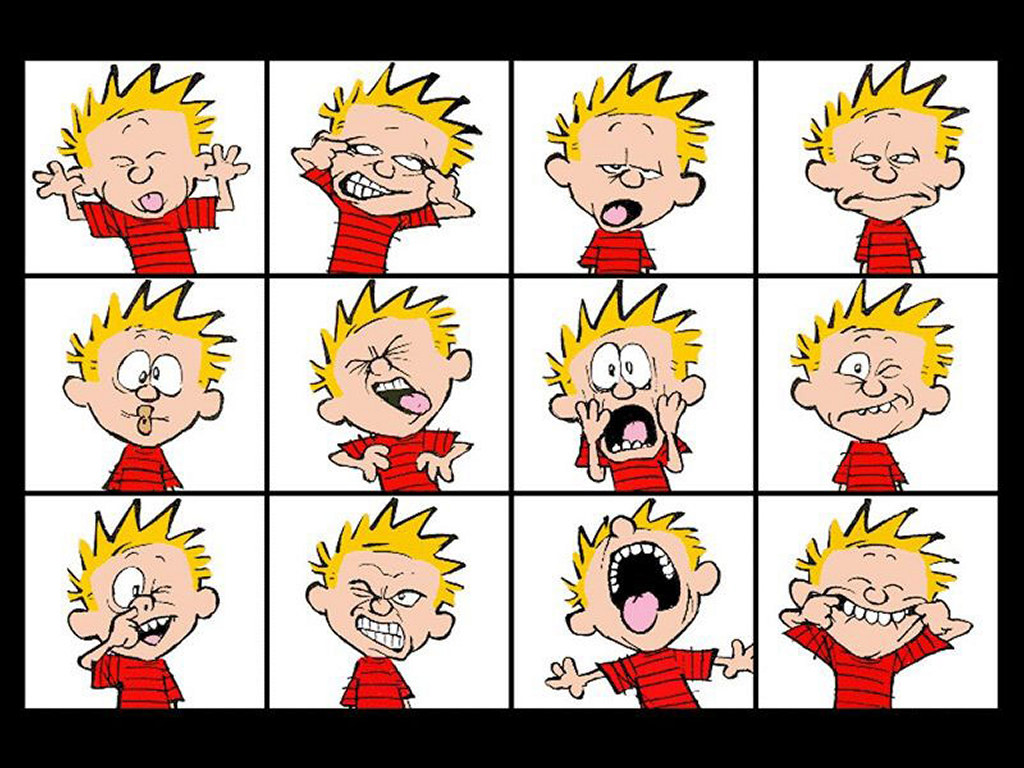
2. Hughes v. Boston Scientific, 631 F.3d 762 (5th Cir. 2011). Hughes allowed an improper private FDCA-violation claim – the defendant’s “algorithm” for reporting adverse events allegedly violating some obscure regulation – to masquerade as a tort suit. Why did plaintiff even bother with such a bizarre claim? Because the product was a PMA device and all the usual claims were preempted. This duty-to-report based claim wasn’t even plausibly “parallel” to any tort cause of action ever recognized in Mississippi, so Hughes simply “assumed” that the Mississippi Supreme Court (hotbed of judicial liberalism that it is) would recognize the claim. Hughes called it “negligence per se” even though Mississippi doesn’t recognize negligence per se where an allegedly-violated statute bars private causes of action. What about Buckman? Hughes bobbled that, too, holding that Riegel (unlike Buckman, an express preemption case) “unequivocally held” that there was an exception for parallel claims (actually, Riegel held only that the plaintiffs waived the whole subject). In one decision Hughes messed up Mississippi common law, express preemption, and implied preemption – a trifecta that warrants a #2 ranking. We vented our frustration at Hughes here.
3. In re Yasmin & Yaz (Drospirenone) Marketing, Sales Practices & Products Liability Litigation, 2011 WL 6302287 (S.D. Ill. Dec. 16, 2011). What happens when one plops a federal MDL in the vicinity of Madison County (yeah, we know, us Philadelphians should talk)? Whatever it is, it’s not looking very pretty at the moment, having just yielded the #3 worst decision, and the lowest by a trial court. Before Y/Y, even the worst MDL Daubert decisions at least clipped the wings of the other side’s Through-the-Looking-Glass coterie of purported “FDA experts.” Not this time. In a spectacular abdication of judicial gatekeeping authority, the Red Queen, the Mad Hatter and the rest get to testify unrestrained – even about purported FDA-related fraud and foreign regulations. Y/Y will overdose the jury with FDA-related fantasy until the supposed “law” bears only passing resemblance to what the FDA actually enforces. All this in a state – Illinois – where the highest court forbids FDCA-based common-law causes of action (see Martin v. Ortho, 661 N.E.2d 352 356-57 (Ill. 1996)) – something that supposedly matters under Lexecon. We haven’t blogged before about this lump of coal in our stockings because it just happened.
4. Forman v. Novartis Pharmaceuticals Corp., 793 F. Supp.2d 598 (E.D.N.Y. 2011). Judicial hubris is bad. Judicial hubris that ignores Buckman Co. v. Plaintiffs’ Legal Committee, 531 U.S. 341 (2001), is worse. Combining the two moves Forman into the #4 slot of our list, ahead of a number of bad appellate cases. As step one, Forman held that New Jersey appellate courts didn’t know what they were doing when those courts applied Buckman preemption to the fraud-on-the-FDA exception of New Jersey’s punitive damages statute. As step two, Forman held that predicating punitive damages on a finding of fraud on the FDA was okay, despite the unanimous Buckman holding that this was a no-no and the likelihood that punitive damages can exceed compensatory damages, and thus raise even more acutely the adverse consequences that underscored the Buckman result. We kvetched about Forman here.
5. Smith v. Bayer, 131 S. Ct. 2368 (2011). The Supreme Court overturned one of our sentimental favorites, In re Bridgestone/Firestone, Inc. Tires Products Liability Litigation, 333 F. 3d 763 (7th Cir. 2003) (Bexis played a part), and held that, because state class action rules (even if verbatim identical to federal Rule 23) might be interpreted differently, federal denial of class certification wasn’t preclusive against the same plaintiff’s lawyers seeking to certify an identical class action in some state court. While we don’t like plaintiffs being allowed a second bite of the apple – and it’s a Supreme Court decision – we only rank Smith #5 because, frankly, the whole problem’s become a bit anachronistic. Smith involved a class action that had lain dormant, hiding in the weeds for many years. In the interim, Congress did a rare intelligent thing and passed the Class Action Fairness Act, which moved most of the class actions we care about into federal court. After CAFA uniform (and tougher) class certification standards make the two-bites-at-the-apple issue much less salient than it had been back in the days of Bridgestone/Firestone. We regretted Smith here.
6. Lefaivre v. KV Pharmaceutical Co., 636 F.3d 935 (8th Cir. 2011). Lefaivre allowed what amounted to an improper private FDCA-violation claim to survive as a “breach of implied warranty” action. Supposedly, Levine somehow limits Buckman even though not even Levine itself claimed to do that. How Lefaivre could give precedence to a two-justice concurrence (about already adjudicated violations) over the 7-justice Buckman majority, which recognized no such exception, is also mystifying. Topping everything off is blatant confusion (if not outright wrong-headedness) – a unique statement that Buckman was somehow a “field preemption” case. All this is worthy of our #6 spot. It certainly didn’t help matters that the defendant had entered into a consent decree containing damaging statements. Bad facts (if they even qualify as "facts") clearly helped make bad law. We rolled our eyes at Lefaivre here. At least there’s a silver lining, since the case has once again been tossed, this time on compensable loss grounds. See Polk v. KV Pharmaceutical Co., 2011 WL 6257466 (E.D. Mo. Dec. 15, 2011). Redemption anyone?
7. Daniel v. Wyeth Pharmaceuticals, Inc., 15 A.3d 909 (Pa. Super. 2011), is an unfortunate punitive damages (aren’t they all?) decision by an appellate court in a large state. Thus it weighs in (and us down) at #7. Daniel allowed punitive damages even though the FDA indisputably had never charged the defendant with any relevant regulatory violation. The basis for punitive damages was apparently failure to test – which doesn’t even rate as an independent cause of action in Pennsylvania. Not only that, the plaintiff in Daniel got away with playing “hide the expert,” resulting in the jury hearing the recorded opinion of an expert that the expert later testified he had recanted. Beneath all this was a moot footnote (choice of law not being disputed) that the law of the defendant’s principal place of business (Pennsylvania has no tort reform whatever concerning punitive damages) should control for punitive damages purposes over the law of the plaintiff's state of residence, a distinct minority position. But in the silver lining department, the Pennsylvania Supreme Court has accepted an appeal concerning the punitive damages aspect of the case. See 2011 WL 6034401 (Pa. Dec. 5, 2011). We blogged about Daniel here and here.
8. Murthy v. Abbott Laboratories, 2011 WL 5416333 (S.D. Tex. Nov. 8, 2011). Without citing any law – and contrary to a lot of law it didn’t cite – Murthy announced what amounts to a per se rule that any doctor receiving compensation for participating in a clinical trial involving an investigational drug can’t qualify as a learned intermediary under Texas law (although, of course, both side's experts can be paid much more). Since physician compensation in this situation is routine, Murthy amounts to a blanket exception to the learned intermediary rule for all investigational drug cases. Murthy also stretches – á la Hamilton (2010 bottom ten #4) – to carve out a second exception, for DTC advertised drugs, even though there wasn't any DTC advertising, since the prescriber okayed the information at issue. Except, Hamilton at least was a state court with ostensible authority to change state law. Murthy was a diversity case, without any such pretense, so its adventurous rulings exceeded that court’s power under our federal system, not to mention disregarded contrary Fifth Circuit authority. Sigh. At least this decision goes bye-bye if the Texas Supreme Court reverses Hamilton. We called out Murthy's abuse of judicial power here.
9. Slater v. Hoffmann-LaRoche Inc., 771 F. Supp.2d 524 (E.D. Pa. 2011). One of the things that made Madison County such a notorious hellhole back in the day was how the local federal courts collaborated (probably as much for docket control as anything else) in trapping defendants in state court. We’re starting to see something similar between the Eastern District of Pennsylvania and the current #1 hellhole, Philadelphia (where we happen to be based). To prevent removal of a case from – guess where – Slater held that a publisher could conceivably be sued for the “inadequate” contents of warnings that it printed. The First Amendment implications are obvious, which is why Pennsylvania courts have rejected similar (non-drug/device) claims against book publishers. But Slater ignores Pennsylvania law and holds, on the basis of one distinguishable (brought against a pharmacy, not a publisher) Massachusetts case that maybe, somehow, Pennsylvania law might impose liability on publishers for substantive errors in what they publish. We published our own views on Slater here.
10. Brewer v. SmithKline Beacham Corp., 774 F. Supp.2d 720 (E.D. Pa., Mar. 24, 2011), Patton v. SmithKline Beecham Corp., 2011 WL 6210724 (E.D. Pa. Dec. 14, 2011), and Maldonado v. SmithKline Beecham Corp., 2011 U.S. Dist. Lexis 142578 (E.D. Pa. Dec. 12, 2011). Maybe we’re being too parochial, but here’s another example of a federal court bending (or worse) the law to trap defendants in the Philadelphia hellhole. These three decisions run roughshod over several provisions of Delaware corporate law (supported by the Third Circuit's interpretation) and admittedly deviate from the terms of the Supreme Court’s “nerve center” jurisdictional test – all because "form" supposedly shouldn’t triumph over "substance." Hey, this is corporate law, which is all about form, since corporations are legal fictions to begin with. The result in Brewer, et al., deprives companies with a significant Philly presence of otherwise perfectly legal means of changing residence for purposes of diversity jurisdiction, in effect creating sort of a “product line exception” to corporate law generally. They also create an incentive for companies to up and leave Pennsylvania altogether. We excoriated Brewer here.
Before we take our much-deserved long, hot shower, for the record we need to mention a couple of truly awful decisions that otherwise would fall through the cracks. Both Stevens v. Novartis Pharmaceuticals Corp., 247 P.3d 244 (Mont. 2010) (covered here) and Bausch v. Stryker Corp., 630 F.3d 546 (7th Cir. 2010) (covered here and here), were decided in that ten-day window between our 2010 worst decisions post and the end of 2010. Thus, this terrible twosome isn’t really eligible for discredit in 2011, but was timed to avoid censure in 2010. Stevens was adverse in several ways, most notably on the questions of cross-jurisdictional class action tolling and creating a duty to warn treaters not even in the same field as those who prescribed the drug. Bausch – that’s easy – it’s quite simply the worst TwIqbal decision ever, at least from an appellate court. We couldn’t let those two stinkers slouch away unscathed.
We also had to cut a few other candidates: Wright v. Aventis Pastreur, Inc., 14 A.3d 850 (Pa. Super. 2011), was a tour de farce concerning preemption of vaccine design defect claims. Wright added insult to injury, being rushed out while Bruesewitz (see, here) was pending in the United States Supreme Court. Now, with Bruesewitz thoroughly trumping Wright, the latter just wasn’t important enough for the top ten. Ditto for Gaeta v. Perrigo Pharmaceuticals Co., 630 F.3d 1225 (9th Cir. 2011), a bad appellate generic preemption case rendered irrelevant by Mensing. See L. Perrigo Co. v. Gaeta, 132 S. Ct. 497 (2011) (summarily vacating bad decision). And just missing the cut (maybe not if we weren’t from Philly) is Winter v. Novartis Pharmaceuticals Corp., 2011 WL 5008008 (W.D. Mo. Oct. 20, 2011), which allowed a plaintiff to escape what should have been fatal “I didn’t read the warning” prescriber testimony with a Magical Mystery Tour-like argument involving a Dear Doctor letter exquisitely timed to arrive at just the right moment to make some sort of causal difference with the plaintiff's utterly indifferent prescriber.
And thus the torture endeth. Now, only the fun stuff is left. Tune again next week when we celebrate the top ten best drug/device decisions of 2011.
Friday, July 15, 2011
Reparations
The last couple days' dialogue with our subscribers suggests that the blog's email outage was uneven. Some subscribers may have lost email transmission of our post for more than a month. We've already apologized, but we think we should do more. Here's a list of what we posted about - with links - between June 1 2011 (the earliest date reported to us) and July 12, 2011 (when we finally got the problem fixed):
July 12, 2011: Third Circuit Reaffirms Berrier - Third Restatement Applies in Pennsylvania Federal Court - New Covell opinion - Link.
July 12, 2011: Fosamax and the Risk/Benefit Analysis - Interlocutory appeal of risk/benefit design defect theory - Link.
July 11, 2011: ProDisc Dismissal for Want of Indispensable Parties - Unusual procedural issue - Link.
July 8, 2011: Industry Tries Again For Clarity Concerning Off-Label Promotion - Reviewing FDA citizen petition for clearer regulation - Link.
July 7, 2011: No Stand Up Comity In New York - Forman (new), Desiano, and Buckman with respect to preemption of NJ fraud on the FDA based punitive damages statute - Link.
July 6, 2011: Of Treating Physicians And Manufacturing Defects - New Mast opinion on what is, and is not, lay opinion testimony from a plaintiff's treating physicians - Link.
July 5, 2011: An Easy Case Makes Good Learned Intermediary Law - New Legard warning causation decision - Link.
July 4, 2011: Happy Independence Day - Link.
July 1, 2011: Another Reason To Like TwIqbal - New McFarland opinion on pleading product identification - Link.
June 30, 2011: Applied American Exceptionalism - Exclusion of experts on foreign business behavior and foreign regulatory standards - Link.
June 29, 2011: Give Us A T For Tennessee - New Tennessee Supreme Court (Nye) ruling reaffirming learned intermediary rule but limiting it to prescription medical products - Link.
June 28, 2011: A Little Rain In The Desert - New Trasylol decision holding that New Mexico would recognize learned intermediary rule - Link.
June 28, 2011: The Supreme Court Reins in “Stream of Commerce” Personal Jurisdiction - Description of new Brown and Nicastro stream of commerce decisions - Link.
June 27, 2011: Embracing Compliance - More on what makes jurors angry and what to do about it - Link.
June 24, 2011: What Other People Are Saying About Mensing - Since we can't say much about Mensing, what else is out there? - Link.
June 23, 2011: Two More From The Supreme Court - Mention of Mensing, which we can't talk much about because of our litigation involvement, and full description of Sorrell pharmaceutical detailing First Amendment decision - Link.
June 22, 2011: Medicare . . . Yep It Is Still Boring - New Humana decision that Medicare third-party providers can't recover under secondary payor statute - Link.
June 21, 2011: What's In Them For Us? - A review of the new Dukes and AEP (global warming) Supreme Court decisions for how they might apply to drug/device product liability litigation - Link.
June 20, 2011: Phony Choices - New Zicam decision distinguishing prescription drug and toxic tort cases with respect to need for dosage information in Daubert causation opinions - Link.
June 17, 2011: E-Discovery Fee Shifting? - New EDPA case requiring unsuccessful plaintiff to pay as costs part of cost of complying with its ediscovery demands - Link.
June 16, 2011: It Should Be An Interesting Couple Of Weeks - Analysis of new Supreme Court Smith v. Bayer class action/collateral estoppel decision and review of interesting cases yet to be decided - Link.
June 15, 2011: To Retain or Not to Retain - Discussing situation (in-house experts) in which expert correspondence may still be discoverable after latest changes to Rule 26 - Link.
June 14, 2011: Denture Cream Myelopathy Claims Found Toothless - New Daubert win in Denture Cream - Link.
June 13, 2011: Some Good News On SSRI Preemption - New Dobbs decision finding that SSRI facts (Effexor) satisfied Levine "clear evidence" standard and preempting suicide warning claims - Link.
June 13, 2011: Getting Better - Discussing new Pucey decision on recalls and investigations as subsequent remedial measures - Link.
June 10, 2011: An Oldie But Goodie - Discovering favorable MDL precedent (Aredia/Zometa) from two years ago that informal interview with treating physicians save time and are to be allowed - Link.
June 9, 2011: When It’s The Plaintiff, Not The Doctor - Winning warning causation when there's no learned intermediary defense, and the plaintiff's conduct is at issue - Link.
June 8, 2011: Utah Preemption Split Deepens - New case (Pierce) holding that Utah fraud on the FDA punitive damages statute is preempted - Link.
June 7, 2011: Defendant Didn’t Buy The Love - New case (Shaw) on impact of prescriber/manufacturer financial ties on applicability of learned intermediary rule - Link.
June 6, 2011: Anger Management - What makes jurors angry and what to do about it - Link.
June 3, 2011: Opening Salvo In New FDA Attack On Off-Label Use? - New FDA draft guidance that would change "intended use" based upon mere knowledge of off-label use - Link.
June 2, 2011: The Closing Of The Learned Intermediary Frontier - Updated 50-state learned intermediary rule survey occasioned by first Rhode Island precedent on rule - Link.
June 1, 2011: While Plaintiff Slept, Learned Intermediary Got a Re-affirming Wake Up - New (Dykes) decision where lazy plaintiff lost a learned intermediary motion - Link.
July 12, 2011: Third Circuit Reaffirms Berrier - Third Restatement Applies in Pennsylvania Federal Court - New Covell opinion - Link.
July 12, 2011: Fosamax and the Risk/Benefit Analysis - Interlocutory appeal of risk/benefit design defect theory - Link.
July 11, 2011: ProDisc Dismissal for Want of Indispensable Parties - Unusual procedural issue - Link.
July 8, 2011: Industry Tries Again For Clarity Concerning Off-Label Promotion - Reviewing FDA citizen petition for clearer regulation - Link.
July 7, 2011: No Stand Up Comity In New York - Forman (new), Desiano, and Buckman with respect to preemption of NJ fraud on the FDA based punitive damages statute - Link.
July 6, 2011: Of Treating Physicians And Manufacturing Defects - New Mast opinion on what is, and is not, lay opinion testimony from a plaintiff's treating physicians - Link.
July 5, 2011: An Easy Case Makes Good Learned Intermediary Law - New Legard warning causation decision - Link.
July 4, 2011: Happy Independence Day - Link.
July 1, 2011: Another Reason To Like TwIqbal - New McFarland opinion on pleading product identification - Link.
June 30, 2011: Applied American Exceptionalism - Exclusion of experts on foreign business behavior and foreign regulatory standards - Link.
June 29, 2011: Give Us A T For Tennessee - New Tennessee Supreme Court (Nye) ruling reaffirming learned intermediary rule but limiting it to prescription medical products - Link.
June 28, 2011: A Little Rain In The Desert - New Trasylol decision holding that New Mexico would recognize learned intermediary rule - Link.
June 28, 2011: The Supreme Court Reins in “Stream of Commerce” Personal Jurisdiction - Description of new Brown and Nicastro stream of commerce decisions - Link.
June 27, 2011: Embracing Compliance - More on what makes jurors angry and what to do about it - Link.
June 24, 2011: What Other People Are Saying About Mensing - Since we can't say much about Mensing, what else is out there? - Link.
June 23, 2011: Two More From The Supreme Court - Mention of Mensing, which we can't talk much about because of our litigation involvement, and full description of Sorrell pharmaceutical detailing First Amendment decision - Link.
June 22, 2011: Medicare . . . Yep It Is Still Boring - New Humana decision that Medicare third-party providers can't recover under secondary payor statute - Link.
June 21, 2011: What's In Them For Us? - A review of the new Dukes and AEP (global warming) Supreme Court decisions for how they might apply to drug/device product liability litigation - Link.
June 20, 2011: Phony Choices - New Zicam decision distinguishing prescription drug and toxic tort cases with respect to need for dosage information in Daubert causation opinions - Link.
June 17, 2011: E-Discovery Fee Shifting? - New EDPA case requiring unsuccessful plaintiff to pay as costs part of cost of complying with its ediscovery demands - Link.
June 16, 2011: It Should Be An Interesting Couple Of Weeks - Analysis of new Supreme Court Smith v. Bayer class action/collateral estoppel decision and review of interesting cases yet to be decided - Link.
June 15, 2011: To Retain or Not to Retain - Discussing situation (in-house experts) in which expert correspondence may still be discoverable after latest changes to Rule 26 - Link.
June 14, 2011: Denture Cream Myelopathy Claims Found Toothless - New Daubert win in Denture Cream - Link.
June 13, 2011: Some Good News On SSRI Preemption - New Dobbs decision finding that SSRI facts (Effexor) satisfied Levine "clear evidence" standard and preempting suicide warning claims - Link.
June 13, 2011: Getting Better - Discussing new Pucey decision on recalls and investigations as subsequent remedial measures - Link.
June 10, 2011: An Oldie But Goodie - Discovering favorable MDL precedent (Aredia/Zometa) from two years ago that informal interview with treating physicians save time and are to be allowed - Link.
June 9, 2011: When It’s The Plaintiff, Not The Doctor - Winning warning causation when there's no learned intermediary defense, and the plaintiff's conduct is at issue - Link.
June 8, 2011: Utah Preemption Split Deepens - New case (Pierce) holding that Utah fraud on the FDA punitive damages statute is preempted - Link.
June 7, 2011: Defendant Didn’t Buy The Love - New case (Shaw) on impact of prescriber/manufacturer financial ties on applicability of learned intermediary rule - Link.
June 6, 2011: Anger Management - What makes jurors angry and what to do about it - Link.
June 3, 2011: Opening Salvo In New FDA Attack On Off-Label Use? - New FDA draft guidance that would change "intended use" based upon mere knowledge of off-label use - Link.
June 2, 2011: The Closing Of The Learned Intermediary Frontier - Updated 50-state learned intermediary rule survey occasioned by first Rhode Island precedent on rule - Link.
June 1, 2011: While Plaintiff Slept, Learned Intermediary Got a Re-affirming Wake Up - New (Dykes) decision where lazy plaintiff lost a learned intermediary motion - Link.
Monday, March 14, 2011
Silly Law Songs
We've more than once voiced our admiration for the bloggers over at Abnormal Use. They're smart and funny. They know a lot about the law. They may even know more about comic books. And they know a lot about popular music. How do we know this? Because every time we whisper a word about popular music in one of our posts we receive a prompt corrective from those guys -- usually Jim Dedman. In side conversations with Jim, we've learned of his deep affection for rock music. Sometimes his taste seems right on, sometimes it's appalling (DEVO? Really?!), but it's always impressive in some way.
Recently, we were chatting with Jim about law-related songs, and agreed that we would simultaneously each put up a post (here's theirs) discussing our favorite law songs. Whether we produce harmony or cacaphony is for you to decide.
There are already several websites that cover similar ground, though none really does the subject justice. It turns out that there are a lot of songs about the law, both famous and obscure. Here are some examples of the latter:
"Better Get a Lawyer" - Cruel Sea
"Little Lawyer from Madagascar" - Dan Fioretti
"Philadelphia Lawyer" - Woody Guthrie
"Lawyer a.m." - Aketarak
"The Lawyer's Ragga" - Miniteca
"Me and You (I'm Like a Lawyer With The Way I'm Always Trying To Get You Off)" - Fall Out Boy
"Our Lawyer Made Us Change The Name Of This Song" - Fall Out Boy
"Annie the Imaginary Lawyer" - The World/Inferno Friendship Society
"Why A Lawyer" - Steve Hefter And Friends Of Friends
"Courthouse" - NAS
"Beautiful Lawyers" - The Zincs
"Lady Lawyers" - Oxford Collapse
"We Love Our Lawyers" - Cibo Matto
"Lovers Need Lawyers" - The Good Life
"Lawyers Water Jug" - Prinzhorn Dance School
There are rock groups named after lawyers, including The Lawyer Beaters (Ouch!) and another called Lawyer Coldun (we think, anyway). Jim pointed out to us that there's a band located in our Philly backyard called The Lawsuits.
Many of the most famous law songs involve criminal law:
"I Fought the Law" - Bobby Fuller 4 (also The Crickets; also also The Clash)
"Bad Boys" (theme from COPS) - Inner Circle
"Jailhouse Rock" - Elvis Presley
"Folsom Prison Blues" - Johnny Cash
"Hurricane" - Bob Dylan
"I Shot the Sheriff" - Bob Marley (also Eric Clapton)
"Dream Police" - Cheap Trick
"Truckin'" ("if you've got a warrant/I guess you're gonna come in") - Grateful Dead
"Chicago" ("So your brother's bound and gagged, and they've chained him to a chair" -referring to the Chicago 8 trial) - Crosby Stills Nash & Young
Sometimes a criminal defendant really loses badly. "The Night the Lights Went Out in Georgia," sung by Vicki Lawrence, is about an execution of someone who was innocent. So is "Hallowed Be Thy Name" by Iron Maiden, except that guy probably wasn't innocent.
Other areas of the law also figure. Matrimonial law, for one. Divorce-related songs are all over the place, and you'll find a few in Dedman's post at Abnormal Use. We still remember Led Zepplin railing about "alimony" in "Living, Loving Maid." Contract law, however, usually (but not always, see below) doesn't go beyond the band writing about signing their first contract with a recording company. See "Rosalita" by Bruce Springsteen, and "Rock and Roll Band" by Boston (boy did those dudes end up regretting it). Heck even landlord-tenant law gets whacked a bit in "Landlord" by The Police.
Since this is the Drug and Device Law blog, you'd think we'd be especially interested in songs about product liability or drugs. We would if there were any, but shockingly there just haven't been many catchy tunes about preemption or learned intermediaries. With a little bit of a stretch, one can call "Mercury Poisoning" by Graham Parker at leas a product liability song, but they sure weren't singing about Thimerosal. Ditto with "Kepone Factory" by The Dead Kennedys. As for songs about drugs generally, well, the list of rock songs NOT about drugs might be shorter. ("Muskrat Love," "Don't Pull Your Love," anything by Donnie and Marie.... and we're done.) The Capitol Steps did a wicked satire of direct to consumer advertising with "Ten Pills and You're Fine" (sung to "Windmills of My Mind"), but that wasn't really rock. Here are a few of the better songs concerning, ahem, medicine:
"Mother's Little Helper" - Rolling Stones (at least it's about legal drugs)
"Sister Morphine" - Rolling Stones (also legal, but somewhat less so)
"Valium Skies" - The Verve (that's legal, too)
"We Didn't Start the Fire" - Billy Joel (at least it mentions vaccines, Thalidomide, and birth controll pills - all of which have been the subject of litigation)
"Love is the Drug" - Roxy Music (hard to tell)
"Sweet Leaf" - Black Sabbath (definitely not legal, but probably the best illegal drug song ever)
"Transmaniacon MC" - Blue Oyster Cult (monocaine? Jeez, they were getting desperate)
"The Pusher Man" - Steppenwolf (couldn't play that one on the radio)
"Snowblind Friend" - Steppenwolf ("one-way ticket on an airline made of snow")
"Don't Step on the Grass, Sam" - Steppenwolf (complete with a bust at the end - let's face it, we could have an all-Steppenwolf wing at the Drug Rock Song Museum.)
We're not including "Lucy in the Sky with Diamonds" because John Lennon denied it had anything to do with LSD, and we cannot imagine Lennon lying about anything.
Songs have been the subject of many legal proceedings (actual or threatened). Several involve allegations of plagiarism:
George Harrison's "My Sweet Lord" was found to have been cribbed from "He's So Fine", a Chiffons tune. Harrison later wrote "This Song" as a commentary on the case. Frankly, we never thought "My Sweet Lord" was theft. Certainly not as much as the end of The Doors' "Touch Me," which sounds exactly like the Ajax television commercial from the 1960's ("Stronger. Than. Dirt.").
Vanilla Ice ("Ice Ice Baby") got in trouble with Bowie and Queen ("Under Pressure"). The Isley Brothers sued Michel Bolton for "Love is a Wonderful Thing." Bolton didn't even bother to change the title. Dolly Parton was sued for pilfering "Nine to Five." She won. Rod Stewart"s "Forever Young" owes more than inspiration to Dylan's song of the same name. In fact, Stewart ended up owing royalties to Dylan. Also, a Brazilian musician claimed that Stewart's "Do You Think I'm Sexy" stole from his tune. Eric Carmen's "All By Myself" uses Rachmaninoff. Carmen thought the piece was in the public domain. It wasn't. The Rolling Stones weren't pleased when Lil Wayne sampled "Play with Fire." Coldplay's recent hit, "Viva la Vida" has been accused by a couple of other musicians, including guitar god Joe Satriani, of being unduly derivative. Huey Lewis thought Ray Parker's "Ghostbusters Theme" sounded a little too much like "I Need a New Drug" (which a friend of ours was convinced really was saying "I Need a New Truck."). EMI took action to halt distribution of The Grey Album, Danger Mouse's brilliant mash-up of The Beatles' White Album and Jay Z's Black Album. For a more recent, but apparently thoroughly legal, example of mash-up/sampling, check out Girl Talk's Illegal Acts website.
Our all time favorite plagiarism lawsuit involves John Fogerty, former head guy on Creedence Clearwater Revival ("Green River," "Fortunate Son," "Bathroom on the Right."). Fogerty left the group, and resented that his former manager, a guy named Zaentz, had acquired rights to Fogerty's prior compositions. On his Centerfield album, Fogerty included a song called "Zanz Kant Danz." Zaentz didn't like that. He sued for defamation. (Since when is inability to dance defamatory? Didn't Norman Mailer point out that tough guys don't dance?) It got changed to "Vanz Kant Danz" as a result. There was also a song on Centerfield called "The Old Man Down the Road.'" Zaentz alleged that it was too similar to "Run through the Jungle," a Fogerty song that Zaentz now owned. So, yes, Fogerty was accused of plagiarizing from himself. (Some readers of this blog have leveled similar charges at us.)
Songs have shown up in other legal proceedings not involving claims of plagiarism. For example, Jackson Browne tried to stop John McCain from using the "Running on Empty" song at campaign rallies. And the Manson Family forever ruined the Beatles' "Helter Skelter." The Dead Kennedys' song "Holiday in Cambodia" was the subject of legal proceedings concerning whether it could be used in a commercial. Ozzy Osbourne was sued by parents of a teenaged boy who shot himself, allegedly after listening to Osbourne's "Suicide Solution (CAUTION: Listen at your own risk)." That case was dismissed. McCollum v. CBS, Inc., 249 Cal. Rptr. 187 (Cal. App. 1988). There's a copycat case, alleging the same thing about the same song, that was also dismissed. Waller v. Osbourne, 763 F.Supp. 1144 (M.D. Ga. 1991). Similar litigation was filed about the Judas Priest song "Better Than You, Better Than Me" alleging subliminal messages. Vance v. Judas Priest, 1990 WL 130920 (Nev. Dist. Aug. 24, 1990). We don't buy the whole subliminal message theory. (Hire Dechert.) But the plaintiffs in those cases get high marks for prescience. (Hire Dechert.) Later, of course, the plaintiffs' bar started bringing suits against lots of our clients for allegedly prompting patients to commit suicide. Anyway, we're always pleased to see a defendant win, even when it's Osbourne (who would have won faster if he had hired Dechert).
All that being said, here are our 10 favorite law songs:
1. "Lawyers, Guns, and Money" - Warren Zevon (he wrote it in Kauai - hard to do better than that)
2. "Everything Counts" (Grabbing Hands) - DePeche Mode (insightful analysis of contract law)
3. "A Legal Matter" - The Who (about paternity litigation)
4. "Ballad of a Thin Man" - Bob Dylan ("You've been with the professors/And they've all liked your looks/With great lawyers you have/Discussed lepers and crooks")
5. "Hey Mr. DJ" - They Might Be Giants (commentary on payola)
6. "Porn Wars" - Frank Zappa (includes interspersed excerpts from legislative hearings about "obscene" rock and roll)
7. "Lawyers in Love" - Jackson Browne
8. "Taxman" - The Beatles (there's other law than litigation)
9. "Breaking the Law" - Judas Priest
10. "A Day in the Life" - The Beatles ("I'd love to turn you on" was deemed so druggy by the BBC that it banned the song for a while. Plus, the song refers to the House of Lords, which until 2009 also served as the UK's version of the supreme court. Still don't think "A Day in the Life" is sufficiently pharmacological or legal? Too bad. It's the best rock song ever, so we'll put it on our darn list if we want to.)
That's our list. Think you can do better? (Dedman probably already has.) Go ahead, readers, bloggers, and Lester Bangs-wannabe types. Post your lists. It's got to be more fun than polishing that Daubert motion.
Recently, we were chatting with Jim about law-related songs, and agreed that we would simultaneously each put up a post (here's theirs) discussing our favorite law songs. Whether we produce harmony or cacaphony is for you to decide.
There are already several websites that cover similar ground, though none really does the subject justice. It turns out that there are a lot of songs about the law, both famous and obscure. Here are some examples of the latter:
"Better Get a Lawyer" - Cruel Sea
"Little Lawyer from Madagascar" - Dan Fioretti
"Philadelphia Lawyer" - Woody Guthrie
"Lawyer a.m." - Aketarak
"The Lawyer's Ragga" - Miniteca
"Me and You (I'm Like a Lawyer With The Way I'm Always Trying To Get You Off)" - Fall Out Boy
"Our Lawyer Made Us Change The Name Of This Song" - Fall Out Boy
"Annie the Imaginary Lawyer" - The World/Inferno Friendship Society
"Why A Lawyer" - Steve Hefter And Friends Of Friends
"Courthouse" - NAS
"Beautiful Lawyers" - The Zincs
"Lady Lawyers" - Oxford Collapse
"We Love Our Lawyers" - Cibo Matto
"Lovers Need Lawyers" - The Good Life
"Lawyers Water Jug" - Prinzhorn Dance School
There are rock groups named after lawyers, including The Lawyer Beaters (Ouch!) and another called Lawyer Coldun (we think, anyway). Jim pointed out to us that there's a band located in our Philly backyard called The Lawsuits.
Many of the most famous law songs involve criminal law:
"I Fought the Law" - Bobby Fuller 4 (also The Crickets; also also The Clash)
"Bad Boys" (theme from COPS) - Inner Circle
"Jailhouse Rock" - Elvis Presley
"Folsom Prison Blues" - Johnny Cash
"Hurricane" - Bob Dylan
"I Shot the Sheriff" - Bob Marley (also Eric Clapton)
"Dream Police" - Cheap Trick
"Truckin'" ("if you've got a warrant/I guess you're gonna come in") - Grateful Dead
"Chicago" ("So your brother's bound and gagged, and they've chained him to a chair" -referring to the Chicago 8 trial) - Crosby Stills Nash & Young
Sometimes a criminal defendant really loses badly. "The Night the Lights Went Out in Georgia," sung by Vicki Lawrence, is about an execution of someone who was innocent. So is "Hallowed Be Thy Name" by Iron Maiden, except that guy probably wasn't innocent.
Other areas of the law also figure. Matrimonial law, for one. Divorce-related songs are all over the place, and you'll find a few in Dedman's post at Abnormal Use. We still remember Led Zepplin railing about "alimony" in "Living, Loving Maid." Contract law, however, usually (but not always, see below) doesn't go beyond the band writing about signing their first contract with a recording company. See "Rosalita" by Bruce Springsteen, and "Rock and Roll Band" by Boston (boy did those dudes end up regretting it). Heck even landlord-tenant law gets whacked a bit in "Landlord" by The Police.
Since this is the Drug and Device Law blog, you'd think we'd be especially interested in songs about product liability or drugs. We would if there were any, but shockingly there just haven't been many catchy tunes about preemption or learned intermediaries. With a little bit of a stretch, one can call "Mercury Poisoning" by Graham Parker at leas a product liability song, but they sure weren't singing about Thimerosal. Ditto with "Kepone Factory" by The Dead Kennedys. As for songs about drugs generally, well, the list of rock songs NOT about drugs might be shorter. ("Muskrat Love," "Don't Pull Your Love," anything by Donnie and Marie.... and we're done.) The Capitol Steps did a wicked satire of direct to consumer advertising with "Ten Pills and You're Fine" (sung to "Windmills of My Mind"), but that wasn't really rock. Here are a few of the better songs concerning, ahem, medicine:
"Mother's Little Helper" - Rolling Stones (at least it's about legal drugs)
"Sister Morphine" - Rolling Stones (also legal, but somewhat less so)
"Valium Skies" - The Verve (that's legal, too)
"We Didn't Start the Fire" - Billy Joel (at least it mentions vaccines, Thalidomide, and birth controll pills - all of which have been the subject of litigation)
"Love is the Drug" - Roxy Music (hard to tell)
"Sweet Leaf" - Black Sabbath (definitely not legal, but probably the best illegal drug song ever)
"Transmaniacon MC" - Blue Oyster Cult (monocaine? Jeez, they were getting desperate)
"The Pusher Man" - Steppenwolf (couldn't play that one on the radio)
"Snowblind Friend" - Steppenwolf ("one-way ticket on an airline made of snow")
"Don't Step on the Grass, Sam" - Steppenwolf (complete with a bust at the end - let's face it, we could have an all-Steppenwolf wing at the Drug Rock Song Museum.)
We're not including "Lucy in the Sky with Diamonds" because John Lennon denied it had anything to do with LSD, and we cannot imagine Lennon lying about anything.
Songs have been the subject of many legal proceedings (actual or threatened). Several involve allegations of plagiarism:
George Harrison's "My Sweet Lord" was found to have been cribbed from "He's So Fine", a Chiffons tune. Harrison later wrote "This Song" as a commentary on the case. Frankly, we never thought "My Sweet Lord" was theft. Certainly not as much as the end of The Doors' "Touch Me," which sounds exactly like the Ajax television commercial from the 1960's ("Stronger. Than. Dirt.").
Vanilla Ice ("Ice Ice Baby") got in trouble with Bowie and Queen ("Under Pressure"). The Isley Brothers sued Michel Bolton for "Love is a Wonderful Thing." Bolton didn't even bother to change the title. Dolly Parton was sued for pilfering "Nine to Five." She won. Rod Stewart"s "Forever Young" owes more than inspiration to Dylan's song of the same name. In fact, Stewart ended up owing royalties to Dylan. Also, a Brazilian musician claimed that Stewart's "Do You Think I'm Sexy" stole from his tune. Eric Carmen's "All By Myself" uses Rachmaninoff. Carmen thought the piece was in the public domain. It wasn't. The Rolling Stones weren't pleased when Lil Wayne sampled "Play with Fire." Coldplay's recent hit, "Viva la Vida" has been accused by a couple of other musicians, including guitar god Joe Satriani, of being unduly derivative. Huey Lewis thought Ray Parker's "Ghostbusters Theme" sounded a little too much like "I Need a New Drug" (which a friend of ours was convinced really was saying "I Need a New Truck."). EMI took action to halt distribution of The Grey Album, Danger Mouse's brilliant mash-up of The Beatles' White Album and Jay Z's Black Album. For a more recent, but apparently thoroughly legal, example of mash-up/sampling, check out Girl Talk's Illegal Acts website.
Our all time favorite plagiarism lawsuit involves John Fogerty, former head guy on Creedence Clearwater Revival ("Green River," "Fortunate Son," "Bathroom on the Right."). Fogerty left the group, and resented that his former manager, a guy named Zaentz, had acquired rights to Fogerty's prior compositions. On his Centerfield album, Fogerty included a song called "Zanz Kant Danz." Zaentz didn't like that. He sued for defamation. (Since when is inability to dance defamatory? Didn't Norman Mailer point out that tough guys don't dance?) It got changed to "Vanz Kant Danz" as a result. There was also a song on Centerfield called "The Old Man Down the Road.'" Zaentz alleged that it was too similar to "Run through the Jungle," a Fogerty song that Zaentz now owned. So, yes, Fogerty was accused of plagiarizing from himself. (Some readers of this blog have leveled similar charges at us.)
Songs have shown up in other legal proceedings not involving claims of plagiarism. For example, Jackson Browne tried to stop John McCain from using the "Running on Empty" song at campaign rallies. And the Manson Family forever ruined the Beatles' "Helter Skelter." The Dead Kennedys' song "Holiday in Cambodia" was the subject of legal proceedings concerning whether it could be used in a commercial. Ozzy Osbourne was sued by parents of a teenaged boy who shot himself, allegedly after listening to Osbourne's "Suicide Solution (CAUTION: Listen at your own risk)." That case was dismissed. McCollum v. CBS, Inc., 249 Cal. Rptr. 187 (Cal. App. 1988). There's a copycat case, alleging the same thing about the same song, that was also dismissed. Waller v. Osbourne, 763 F.Supp. 1144 (M.D. Ga. 1991). Similar litigation was filed about the Judas Priest song "Better Than You, Better Than Me" alleging subliminal messages. Vance v. Judas Priest, 1990 WL 130920 (Nev. Dist. Aug. 24, 1990). We don't buy the whole subliminal message theory. (Hire Dechert.) But the plaintiffs in those cases get high marks for prescience. (Hire Dechert.) Later, of course, the plaintiffs' bar started bringing suits against lots of our clients for allegedly prompting patients to commit suicide. Anyway, we're always pleased to see a defendant win, even when it's Osbourne (who would have won faster if he had hired Dechert).
All that being said, here are our 10 favorite law songs:
1. "Lawyers, Guns, and Money" - Warren Zevon (he wrote it in Kauai - hard to do better than that)
2. "Everything Counts" (Grabbing Hands) - DePeche Mode (insightful analysis of contract law)
3. "A Legal Matter" - The Who (about paternity litigation)
4. "Ballad of a Thin Man" - Bob Dylan ("You've been with the professors/And they've all liked your looks/With great lawyers you have/Discussed lepers and crooks")
5. "Hey Mr. DJ" - They Might Be Giants (commentary on payola)
6. "Porn Wars" - Frank Zappa (includes interspersed excerpts from legislative hearings about "obscene" rock and roll)
7. "Lawyers in Love" - Jackson Browne
8. "Taxman" - The Beatles (there's other law than litigation)
9. "Breaking the Law" - Judas Priest
10. "A Day in the Life" - The Beatles ("I'd love to turn you on" was deemed so druggy by the BBC that it banned the song for a while. Plus, the song refers to the House of Lords, which until 2009 also served as the UK's version of the supreme court. Still don't think "A Day in the Life" is sufficiently pharmacological or legal? Too bad. It's the best rock song ever, so we'll put it on our darn list if we want to.)
That's our list. Think you can do better? (Dedman probably already has.) Go ahead, readers, bloggers, and Lester Bangs-wannabe types. Post your lists. It's got to be more fun than polishing that Daubert motion.
Thursday, March 3, 2011
Where To Find Our Research
We’ve been blogging now for more than four years. Our first substantive posts went up on November 15, 2006, and by now more than 1450 have followed those.
Frankly, even for us, it’s getting hard to find stuff. And since we actually wrote all these blasted posts, and presumably remember at least some of what’s in them, we can imagine how hard it must be for the rest of our readers. We’ve tried with the topic tags, but they’re something of a blunt instrument, and even worse, by now some of those topics are getting pretty unwieldy themselves, with more than 50 posts for several of the more heavily covered categories.
We like to know where things are too. It's embarrassing not being able to tell people that kind of thing.
So this is going to be a really boring post. We’re lawyers, not librarians, but we’re going to try to organize things so that people - like us - who want to use our research posts (as opposed to our single-case posts and other stuff) can find them.
If you’re looking to be entertained, come back tomorrow. But if you’re a reader who thinks you might actually want to use the blog’s research resources, you’ll want to save this post somewhere.
Here’s how we’re going about this.
Most of our serious research has been of two types. We’ve either discussed topics as topics, and done so on a nation-wide basis, or on a lesser number of occasions, we’ve explicitly done that research in 50-state fashion, with the research formally divided on a state-by-state basis. We’ll keep to that division here. First we’ll list our state-by-state research topics, and we’ll follow that with other nationwide research organized by topic.
Finally, we’ll provide the dates for each post, so any user will know where, chronologically, our research stopped.
Substantive Law:
Consumer Fraud – Extraterritoriality rejected (9/13/07)
Fraud on the Market – Fraud on the market causation theories rejected outside of the federal securities law context (1/25/10)
Learned intermediary rule – Medical device cases, Who’s adopted it and who hasn’t (7/10/08)
Learned Intermediary Rule – Pharmacists protected from by rule from liability (2/24/11)
Learned Intermediary Rule – Who’s adopted it and who hasn’t (7/5/07 – occasionally updated)
Market Share Liability – Who's adopted it and who hasn’t (7/15/10)
Medical Monitoring – Who's adopted it and who hasn’t (4/15/09)
Misuse – In pari delicto defense (8/23/07)
Nuisance – Municipal cost recovery rule (5/3/07)
Preemption – Embedded fraud on the FDA claims preempted under Buckman (9/3/09)
Product Liability – Adoption of the Restatement (Third) of Torts, Products Liability §2 (9/10/10)
State Of The Art Defense – Defense applied in prescription drug/medical device litigation (3/20/09)
Unavoidably Unsafe Product – States recognizing comment k “across the board” (10/8/08)
Procedural law:
Discovery – Informal physician interviews, who allows them and who doesn’t (12/18/08 – sometimes updated), and again (8/16/07)
Online Appellate Judicial Websites – How to get online opinions from every federal and state appellate court (4/29/10)
Removal – Pre-service removal (10/1/09)
Substantive law:
Administrative law – Administrative causation standards are more lax than legal standards and should be excluded under Daubert (4/8/10)
Administrative law – No private FDCA right of action (Feb. 18, 2010)
Consumer Fraud – Lack of damages (2/5/09)
Consumer Fraud – Regulatory compliance as defense (5/24/07)
Damages – Lack of injury dismissals (7/3/08 – regularly updated)
Duty to Test – Precedent rejecting duty (8/27/10 – regularly updated)
Emotional Distress – Grounds for defeating emotional distress claims in drug/device litigation (2/3/11)
Heeding presumption – Precedent rejecting presumption (7/2/09)
Informed Consent – Off-label use need not be disclosed (1/14/10), and again (6/21/07)
Learned Intermediary Rule – Direct to consumer exception (1/20/11)
Learned intermediary rule – Policy reasons for rule (7/6/07)
Learned Intermediary Rule – Warning causation cannot be proved by “reasonable doctor” expert (4/19/07)
Negligence – Duty (9/17/09)
Negligence per se – State-law defenses to FDCA-based negligence per se actions (2/12/09), and again (2/7/08)
Preemption – Buckman applies to fraud on agencies other than the FDA (9/25/08)
Preemption – HIPAA does not preempt informal defense interviews of treating physicians (2/15/07)
Preemption – OTC drugs (11/25/08)
Preemption – PMA devices generally, post-Riegel (8/21/08 – regularly updated)
Preemption – PMA devices where the FDA classification has arguably changed (10/7/10)
Preemption – Post-Levine drug/vaccine cheat sheet (10/02/10 – regularly updated)
Preemption – Post-Riegel parallel violation claims (7/30/09), and again (12/18/08), and again (6/26/08)
Product Identification – Brand name manufacturer sued where the plaintiff only took the generic version (11/12/09 – regularly updated)
Punitive Damages – Compliance as a defense (11/5/09), and again (3/8/07)
Punitive Damages – Territorial limits to jurisdiction to impose (12/29/06)
Recalls – Duty to recall, subsequent remedial measures and other recall-related issues (9/24/09)
Res Ipsa Loquitur – Broken medical devices are not ipso facto defective (12/31/09)
Sales Representatives – Fraudulent joinder (7/14/09)
Warnings – Causation issues (10/2/08), and again (5/8/08)
Warnings – Expert proof requirement in learned intermediary rule cases (6/11/09)
Warnings – No duty to warn about competing products (7/19/07)
Warnings – No duty to warn of risks the plaintiff never suffered (4/1/10), and again (10/26/07)
Procedural law:
Adverse Event Reports – Rejecting their use, either as evidence or as a basis of expert testimony (5/27/10 – regularly updated), and again (6/7/07)
Class Actions – Cross jurisdictional statute of limitations tolling (8/7/08 – regularly updated), and again (3/22/07)
Class Actions – Cy pres (10/15/09)
Class Actions – Federal courts rejecting class actions in drug/device cases (6/24/10 – regularly updated)
Class Actions – Punitive damages (7/17/09), and again (2/26/09)
Class Actions – Single issue certification (11/19/09)
Class Actions – State courts rejecting class actions in drug/device cases (7/1/10 – regularly updated)
Daubert – 2.0 relative risk standard for more likely than not (12/28/07)
Daubert – Differential diagnosis as faulty methodology (5/7/09)
Discovery – Counsel’s ability to speak with his/her own witness during an ongoing deposition (2/10/11)
Discovery – Lone Pine orders (8/11/08)
Discovery – Protection of customer lists from discovery (4/2/09)
Discovery – Translation of non-English documents not required (7/9/08)
Evidence – Exclusion of animal studies (7/19/07)
Evidence – Exclusion of corporate ethics expert (7/19/07)
Evidence – Exclusion of foreign regulatory standards (8/7/07)
Evidence – Exclusion of fraud on the FDA evidence (7/19/07)
Evidence – Exclusion of warning letters (4/21/10)
Evidence – Warning changes as subsequent remedial measures (2/2/10)
Expert Witnesses – Legal conclusion opinions not allowed (3/14/08), and again (2/9/08)
Joinder – Misjoinder (Jan. 7, 2010)
Judicial Notice – FDA-related materials (7/2/09), and again (4/17/08), and again (9/20/07)
Pleading – Moving to dismiss MDL master complaints (8/20/09)
Pleading – TwIqbal barring “and/or” pleading (7/23/09)
Pleading – TwIqbal in PMA preemption cases (12/9/10)
Pleading – TwIqbal in prescription drug/device litigation (5/13/10 – regularly updated)
Pleading – TwIqbal in product liability cases generally (8/6/09)
Pleading – TwIqbal in state court (10/29/09)
Pleading – TwIqbal and complaints removed to federal court (11/18/10)
Removal – Several removal issues (10/1/09)
Frankly, even for us, it’s getting hard to find stuff. And since we actually wrote all these blasted posts, and presumably remember at least some of what’s in them, we can imagine how hard it must be for the rest of our readers. We’ve tried with the topic tags, but they’re something of a blunt instrument, and even worse, by now some of those topics are getting pretty unwieldy themselves, with more than 50 posts for several of the more heavily covered categories.
We like to know where things are too. It's embarrassing not being able to tell people that kind of thing.
So this is going to be a really boring post. We’re lawyers, not librarians, but we’re going to try to organize things so that people - like us - who want to use our research posts (as opposed to our single-case posts and other stuff) can find them.
If you’re looking to be entertained, come back tomorrow. But if you’re a reader who thinks you might actually want to use the blog’s research resources, you’ll want to save this post somewhere.
Here’s how we’re going about this.
Most of our serious research has been of two types. We’ve either discussed topics as topics, and done so on a nation-wide basis, or on a lesser number of occasions, we’ve explicitly done that research in 50-state fashion, with the research formally divided on a state-by-state basis. We’ll keep to that division here. First we’ll list our state-by-state research topics, and we’ll follow that with other nationwide research organized by topic.
Finally, we’ll provide the dates for each post, so any user will know where, chronologically, our research stopped.
STATE-BY-STATE NATIONWIDE RESEARCH
Substantive Law:
Consumer Fraud – Extraterritoriality rejected (9/13/07)
Fraud on the Market – Fraud on the market causation theories rejected outside of the federal securities law context (1/25/10)
Learned intermediary rule – Medical device cases, Who’s adopted it and who hasn’t (7/10/08)
Learned Intermediary Rule – Pharmacists protected from by rule from liability (2/24/11)
Learned Intermediary Rule – Who’s adopted it and who hasn’t (7/5/07 – occasionally updated)
Market Share Liability – Who's adopted it and who hasn’t (7/15/10)
Medical Monitoring – Who's adopted it and who hasn’t (4/15/09)
Misuse – In pari delicto defense (8/23/07)
Nuisance – Municipal cost recovery rule (5/3/07)
Preemption – Embedded fraud on the FDA claims preempted under Buckman (9/3/09)
Product Liability – Adoption of the Restatement (Third) of Torts, Products Liability §2 (9/10/10)
State Of The Art Defense – Defense applied in prescription drug/medical device litigation (3/20/09)
Unavoidably Unsafe Product – States recognizing comment k “across the board” (10/8/08)
Procedural law:
Discovery – Informal physician interviews, who allows them and who doesn’t (12/18/08 – sometimes updated), and again (8/16/07)
Online Appellate Judicial Websites – How to get online opinions from every federal and state appellate court (4/29/10)
Removal – Pre-service removal (10/1/09)
GENERAL NATIONWIDE RESEARCH
Substantive law:
Administrative law – Administrative causation standards are more lax than legal standards and should be excluded under Daubert (4/8/10)
Administrative law – No private FDCA right of action (Feb. 18, 2010)
Consumer Fraud – Lack of damages (2/5/09)
Consumer Fraud – Regulatory compliance as defense (5/24/07)
Damages – Lack of injury dismissals (7/3/08 – regularly updated)
Duty to Test – Precedent rejecting duty (8/27/10 – regularly updated)
Emotional Distress – Grounds for defeating emotional distress claims in drug/device litigation (2/3/11)
Heeding presumption – Precedent rejecting presumption (7/2/09)
Informed Consent – Off-label use need not be disclosed (1/14/10), and again (6/21/07)
Learned Intermediary Rule – Direct to consumer exception (1/20/11)
Learned intermediary rule – Policy reasons for rule (7/6/07)
Learned Intermediary Rule – Warning causation cannot be proved by “reasonable doctor” expert (4/19/07)
Negligence – Duty (9/17/09)
Negligence per se – State-law defenses to FDCA-based negligence per se actions (2/12/09), and again (2/7/08)
Preemption – Buckman applies to fraud on agencies other than the FDA (9/25/08)
Preemption – HIPAA does not preempt informal defense interviews of treating physicians (2/15/07)
Preemption – OTC drugs (11/25/08)
Preemption – PMA devices generally, post-Riegel (8/21/08 – regularly updated)
Preemption – PMA devices where the FDA classification has arguably changed (10/7/10)
Preemption – Post-Levine drug/vaccine cheat sheet (10/02/10 – regularly updated)
Preemption – Post-Riegel parallel violation claims (7/30/09), and again (12/18/08), and again (6/26/08)
Product Identification – Brand name manufacturer sued where the plaintiff only took the generic version (11/12/09 – regularly updated)
Punitive Damages – Compliance as a defense (11/5/09), and again (3/8/07)
Punitive Damages – Territorial limits to jurisdiction to impose (12/29/06)
Recalls – Duty to recall, subsequent remedial measures and other recall-related issues (9/24/09)
Res Ipsa Loquitur – Broken medical devices are not ipso facto defective (12/31/09)
Sales Representatives – Fraudulent joinder (7/14/09)
Warnings – Causation issues (10/2/08), and again (5/8/08)
Warnings – Expert proof requirement in learned intermediary rule cases (6/11/09)
Warnings – No duty to warn about competing products (7/19/07)
Warnings – No duty to warn of risks the plaintiff never suffered (4/1/10), and again (10/26/07)
Procedural law:
Adverse Event Reports – Rejecting their use, either as evidence or as a basis of expert testimony (5/27/10 – regularly updated), and again (6/7/07)
Class Actions – Cross jurisdictional statute of limitations tolling (8/7/08 – regularly updated), and again (3/22/07)
Class Actions – Cy pres (10/15/09)
Class Actions – Federal courts rejecting class actions in drug/device cases (6/24/10 – regularly updated)
Class Actions – Punitive damages (7/17/09), and again (2/26/09)
Class Actions – Single issue certification (11/19/09)
Class Actions – State courts rejecting class actions in drug/device cases (7/1/10 – regularly updated)
Daubert – 2.0 relative risk standard for more likely than not (12/28/07)
Daubert – Differential diagnosis as faulty methodology (5/7/09)
Discovery – Counsel’s ability to speak with his/her own witness during an ongoing deposition (2/10/11)
Discovery – Lone Pine orders (8/11/08)
Discovery – Protection of customer lists from discovery (4/2/09)
Discovery – Translation of non-English documents not required (7/9/08)
Evidence – Exclusion of animal studies (7/19/07)
Evidence – Exclusion of corporate ethics expert (7/19/07)
Evidence – Exclusion of foreign regulatory standards (8/7/07)
Evidence – Exclusion of fraud on the FDA evidence (7/19/07)
Evidence – Exclusion of warning letters (4/21/10)
Evidence – Warning changes as subsequent remedial measures (2/2/10)
Expert Witnesses – Legal conclusion opinions not allowed (3/14/08), and again (2/9/08)
Joinder – Misjoinder (Jan. 7, 2010)
Judicial Notice – FDA-related materials (7/2/09), and again (4/17/08), and again (9/20/07)
Pleading – Moving to dismiss MDL master complaints (8/20/09)
Pleading – TwIqbal barring “and/or” pleading (7/23/09)
Pleading – TwIqbal in PMA preemption cases (12/9/10)
Pleading – TwIqbal in prescription drug/device litigation (5/13/10 – regularly updated)
Pleading – TwIqbal in product liability cases generally (8/6/09)
Pleading – TwIqbal in state court (10/29/09)
Pleading – TwIqbal and complaints removed to federal court (11/18/10)
Removal – Several removal issues (10/1/09)
Trial – Consolidated multi-plaintiff trials (12/16/11)
Subscribe to:
Posts (Atom)